Clarendon County Dog Registration Information
Service Dogs and Emotional Support Animals in Clarendon, South Carolina
If you’re asking where do I register my dog in Clarendon County, South Carolina for my service dog or emotional support dog, the key point is that “registration” usually means local dog licensing and rabies compliance—not a special government registration for service dogs or ESAs.
In practice, residents typically interact with county-level offices (often animal control or law enforcement administration) for issues like loose dogs, rabies enforcement, and local rules. This page explains how a dog license in Clarendon County, South Carolina may work locally, what rabies documentation is required under South Carolina law, and what is (and is not) required for a service dog or an emotional support animal.
Where to Register or License Your Dog in Clarendon County, South Carolina
Because dog licensing is often handled locally, start with official Clarendon County government offices that can direct you to the correct process for a animal control dog license Clarendon County, South Carolina question, rabies enforcement, and related requirements. If you’re unsure where to register a dog in Clarendon County, South Carolina, these are practical first contacts within the county.
Official offices (examples) within Clarendon County
| Office | Address | Phone | Hours | |
|---|---|---|---|---|
| Clarendon County Sheriff’s Office |
217 Commerce St Manning, SC 29102 |
(803) 435-4414 | tbaxley@clarendoncountygov.org | Mon–Fri | 8:30 AM – 5:00 PM |
| Clarendon County Government (General Contact) |
411 Sunset Drive Manning, SC 29102 |
(803) 435-0135 | Not listed | Not listed |
| Clemson Cooperative Extension – Clarendon County |
21 West Rigby Street Manning, SC 29102 |
(803) 435-8429 | Not listed (see office directory) | Mon–Fri | 8:00 AM – 4:30 PM (closed 12:00–1:00) |
Tip: If the first office you contact is not the licensing authority, ask specifically which department handles dog license in Clarendon County, South Carolina questions and whether licensing is administered by the county, a municipality, or through rabies tag documentation.
Overview of Dog Licensing in Clarendon County, South Carolina
What “registering a dog” usually means
When people search for where to register a dog in Clarendon County, South Carolina, they are often looking for one (or more) of these things:
- A local dog license (a county or city-issued license, when applicable).
- Rabies compliance (proof your dog is vaccinated and has the required tag/certificate).
- Animal control records (helpful if your dog is picked up as a stray or involved in an incident).
- Service dog / ESA status (which is a separate legal topic from licensing).
Rabies vaccination is a statewide legal requirement
South Carolina’s rabies control laws require pet owners to keep dogs vaccinated on an ongoing schedule using an approved vaccine administered by (or under the supervision of) a licensed veterinarian. Evidence of vaccination is a rabies vaccination certificate, and veterinarians issue a serially numbered metal tag associated with the certificate that should be attached to the dog’s collar or harness. This rabies tag is not the same thing as a county “dog license,” but it is commonly used as proof of rabies compliance and may be required for many local processes.
Local licensing can vary within the county
Whether there is a separate, county-issued dog license (beyond rabies documentation) can depend on local ordinances and how animal control services are administered. That’s why it’s best to call an official Clarendon County office and ask what applies at your address (county area vs. inside a town/city jurisdiction) and what documents and fees are required.
How Dog Licensing Works Locally in Clarendon County, South Carolina
Step-by-step: how to confirm the correct licensing path
- Confirm your jurisdiction. Tell the office your street address and ask whether your dog licensing is handled by the county or by a municipality.
- Ask what counts as “registration.” Some areas treat the rabies tag/certificate as the primary proof of compliance, while others issue a separate local license or tag.
- Ask about fees and renewal timing. If a local license exists, confirm whether it renews annually and whether altered fees apply to sterilized pets, seniors, or other categories (if offered).
- Ask what to bring. Most offices will want rabies vaccination proof and basic owner identification; some may request proof of residency.
Rabies documentation you should keep
Keep both the rabies vaccination certificate and the dog’s rabies tag information. The certificate is the formal evidence of vaccination. The tag is meant to be worn on the collar/harness so that animal control or a shelter can quickly identify rabies compliance and potentially contact a veterinary practice.
What to ask about animal control records and enforcement
If your dog is picked up as a stray, is involved in a bite incident, or if there is a complaint, local animal control/rabies enforcement procedures may come into play. Ask your local office how the county handles:
- Proof of rabies vaccination during redemption/return of a found dog
- Bite reporting and quarantine requirements
- Leash laws or running-at-large rules in your part of the county
Service Dog Laws in Clarendon County, South Carolina
A service dog is not the same as a dog license
A service dog is defined by what the dog is trained to do for a person with a disability (for example, guiding someone who is blind, alerting to sounds, pulling a wheelchair, interrupting self-harm behaviors, or responding to seizures). That legal status is different from a dog license in Clarendon County, South Carolina, which is about local animal regulation, identification, and public health compliance (especially rabies).
Do you have to register a service dog with the government?
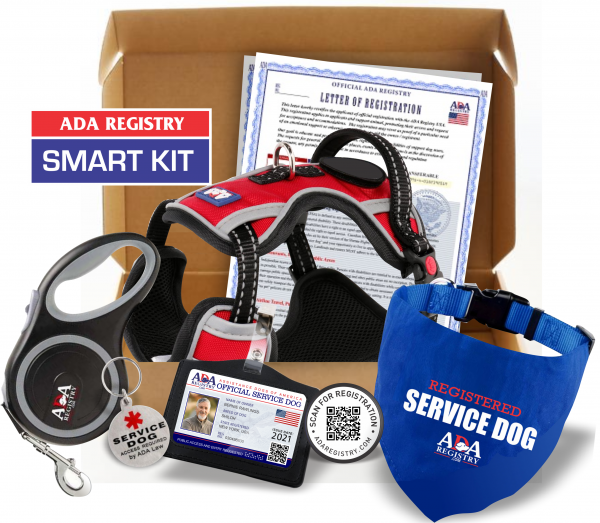
Generally, no. In the U.S., there isn’t a single official government registry that you must use to “register” a service dog. Many websites sell certificates, IDs, or vests—those are private products and are not required for a dog to be a legitimate service dog.
What you may still need as a service dog handler in Clarendon County
Even if your dog is a service dog, local rules that apply to all dogs can still apply, such as:
- Keeping rabies vaccination current and keeping documentation available
- Following leash/running-at-large rules unless a specific exception applies in a specific situation
- Maintaining control of the dog in public
Best practice when offices ask about “registration”
If an office asks whether your dog is “registered,” clarify what they mean:
- Local license/permit? Ask how to complete that process and whether service dogs are treated differently for fees (if the jurisdiction provides a waiver).
- Rabies certificate/tag? Provide your veterinarian-issued certificate and tag details.
- Online service dog registry? That’s typically not required and is not a substitute for rabies vaccination proof or a local license.
Emotional Support Animal Rules in Clarendon County, South Carolina
An ESA is not a service dog
An emotional support animal (ESA) provides comfort or emotional benefit, but it is not the same as a trained service dog. ESAs generally do not have the same public-access rights as service dogs in places like restaurants, stores, and other public accommodations.
Do you have to register an emotional support dog?
No government “ESA registration” is typically required. If you’re dealing with housing-related accommodations, the relevant issue is usually whether you have reliable documentation supporting an accommodation request (not a purchased ID card).
ESAs and local licensing/rabies rules
Even if your dog is an ESA, local requirements still apply. That means an ESA still needs:
- Current rabies vaccination and proof
- Compliance with any local dog license rules (if applicable where you live in Clarendon County)
- Compliance with local animal control rules (leash, nuisance, running at large, etc.)
Avoid confusion with third-party “registrations”
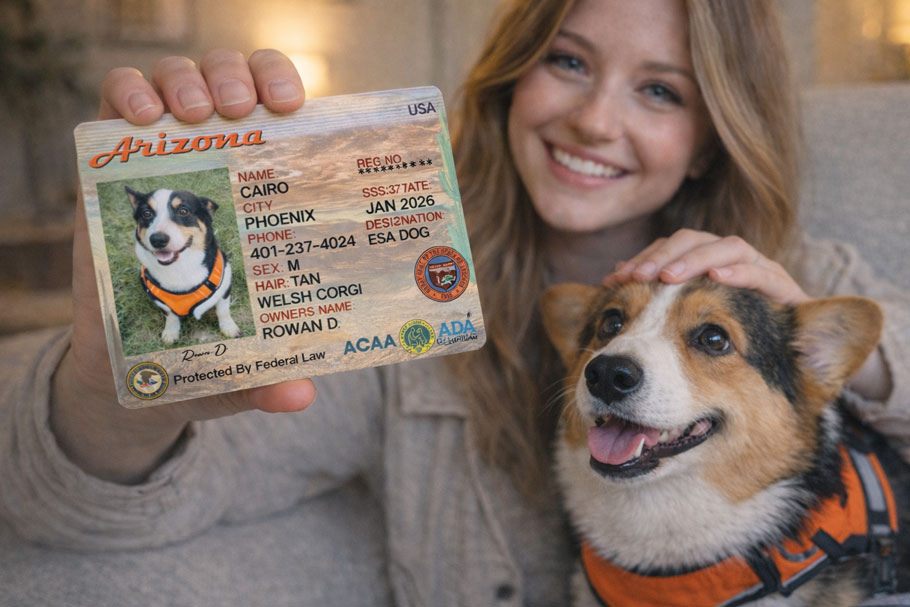
If you’re trying to figure out where do I register my dog in Clarendon County, South Carolina for my service dog or emotional support dog, focus on official local offices and your veterinarian documentation. A paid online “registration” is not a replacement for:
- rabies vaccination proof
- a local dog license (where required)
- following local animal control rules
Frequently Asked Questions
Quick recap: the fastest path to the right answer
- If you’re searching where to register a dog in Clarendon County, South Carolina, start by confirming whether your address is under county or municipal rules.
- Keep your dog’s rabies vaccination certificate and make sure the rabies tag is on the collar/harness.
- Remember: service dog and ESA status are legal categories, but they usually do not come from a county “registration.”
Register A Dog In Other South Carolina Counties
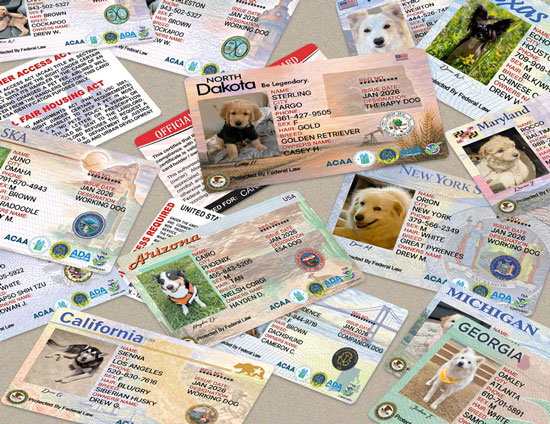
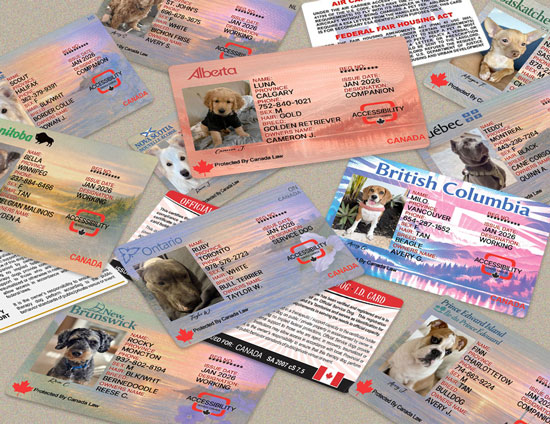
Select your county below to get started with your dog’s ID card. Requirements and license designs may vary by county, so choose your location to see the correct options and complete your pup’s registration.
- Abbeville County Dog Registration
- Aiken County Dog Registration
- Allendale County Dog Registration
- Anderson County Dog Registration
- Bamberg County Dog Registration
- Barnwell County Dog Registration
- Beaufort County Dog Registration
- Berkeley County Dog Registration
- Calhoun County Dog Registration
- Charleston County Dog Registration
- Cherokee County Dog Registration
- Chester County Dog Registration
- Chesterfield County Dog Registration
- Colleton County Dog Registration
- Darlington County Dog Registration
- Dillon County Dog Registration
- Dorchester County Dog Registration
- Edgefield County Dog Registration
- Fairfield County Dog Registration
- Florence County Dog Registration
- Georgetown County Dog Registration
- Greenville County Dog Registration
- Greenwood County Dog Registration
- Hampton County Dog Registration
- Horry County Dog Registration
- Jasper County Dog Registration
- Kershaw County Dog Registration
- Lancaster County Dog Registration
- Laurens County Dog Registration
- Lee County Dog Registration
- Lexington County Dog Registration
- Marion County Dog Registration
- Marlboro County Dog Registration
- McCormick County Dog Registration
- Newberry County Dog Registration
- Oconee County Dog Registration
- Orangeburg County Dog Registration
- Pickens County Dog Registration
- Richland County Dog Registration
- Saluda County Dog Registration
- Spartanburg County Dog Registration
- Sumter County Dog Registration
- Union County Dog Registration
- Williamsburg County Dog Registration
- York County Dog Registration